 Written by Dr. Sam Robbins · Updated

Quick Summary:
- Plaque Buildup: Here is what high cholesterol does to your body: it slowly builds plaque inside your artery walls. That plaque narrows and stiffens the arteries that feed every organ.
- Silent for Years: You usually feel nothing for years. Often the first “symptom” is a heart attack or stroke.
- Organs Affected: Your heart, brain, legs and sexual function all depend on clean arteries, so all of them can suffer.
- Level and Time: The damage depends on how high your LDL is and how long it stays high.
- What Helps: A simple blood test finds it. Food, exercise, weight and, when needed, medication from your doctor can all help.
You got your blood test back and the number is high. Now you want to know what high cholesterol does to your body.
Here is the short answer.
Extra LDL cholesterol gets stuck in your artery walls and forms plaque.
Over many years, that plaque narrows your arteries and cuts blood flow to your heart, brain, legs and other organs.
So today I’m going to show you what high cholesterol does to your body, organ by organ.
I focus on hormones and men’s health, and I’ve helped people with this problem for over 20 years.
I also watched both of my parents struggle with their cholesterol, so this topic is personal for me.
What High Cholesterol Does to Your Body: It Starts in Your Arteries
First, cholesterol is not poison. Your body needs it to build cells, make bile and produce hormones such as testosterone, estrogen and cortisol.
In fact, your liver makes most of the cholesterol in your blood. That’s why the problem is not only about the food you eat.
But the trouble starts when too much of it travels in LDL particles. This is the so-called “bad” LDL cholesterol.
Here is what happens next:
- LDL particles slip into the inner wall of an artery and get trapped.
- Your immune system reacts, and the area becomes inflamed.
- Fat, cells and calcium pile up. Doctors call this plaque, or atherosclerosis.
- The artery gets narrower and stiffer, so less blood gets through.
- Sometimes a plaque cracks open. Then a clot forms and can block the artery in minutes.
How strong is the evidence? A European expert panel reviewed more than 200 studies with over 2 million people. They found a consistent, dose-dependent link between LDL exposure and artery disease.
In plain words, higher LDL for more years means more risk. So the clock matters as much as the number.
Your Heart: Chest Pain and Heart Attack
Your heart muscle gets its blood from the coronary arteries. These are small, so plaque causes problems here early.
When they narrow, you may feel chest tightness or get short of breath when you walk or climb stairs. Doctors call this angina.
However, many people feel nothing at all. Then a plaque breaks, a clot blocks the artery, and part of the heart muscle loses its blood supply. That is a heart attack.
The good news is that this works in both directions. A large analysis pooled 26 statin trials with about 170,000 people. For each 1 mmol/L (about 39 mg/dL) drop in LDL, major vascular events fell by 22%.
Your Brain: Stroke and Memory
Your brain needs a constant blood supply. It gets that blood through the carotid arteries in your neck and smaller vessels inside your skull.
Plaque can narrow these arteries too. Also, a clot can break off and travel up to the brain. Either way, brain cells lose oxygen. That is an ischemic stroke.
In the same analysis, ischemic strokes dropped by 16% for each 1 mmol/L reduction in LDL.
What about memory? One study followed 9,844 people for about three decades. Those with total cholesterol of 240 mg/dL or more in their early 40s had a 57% higher risk of Alzheimer’s disease later in life.
But I need to be honest here. That study shows a link, not proof of cause. Still, it’s one more reason to deal with cholesterol in midlife and not wait.
Your Legs and Feet: Poor Circulation
The same plaque can build up in the arteries of your legs. This is peripheral artery disease, or PAD.
Common signs include:
- Cramping or aching in your calves when you walk, which eases when you rest
- Cold feet or toes
- Sores on your feet that heal slowly
But cholesterol is not the only driver. Smoking and diabetes are also major risk factors for PAD. So if you have more than one, pay attention to your legs.
Diet also helps here. I list my favorite foods for cleaner arteries and better circulation in a separate article.
Your Sex Life: Erections Need Blood Flow
This is the part most men never hear about. Think of it this way. An erection is a blood flow event. And the arteries in the penis are much smaller than the ones in your heart.
Researchers describe a shared root cause for unhealthy blood fats and erectile dysfunction. The lining of the blood vessels stops working well. So the vessels can’t relax and fill with blood as they should.
That’s why doctors often treat erection problems as an early warning sign for the heart. So don’t ignore it.
Many men also ask me whether the medication is to blame. I cover that question here: do statin drugs cause testosterone or erectile problems?
Other Signs of What High Cholesterol Does to Your Body
A few other effects are worth knowing about:
- Skin and eyes. Very high levels, often inherited, can cause yellowish fatty bumps on the eyelids or tendons.
- Gallbladder. Too much cholesterol in your bile can harden into gallstones.
- Kidneys and blood pressure. Stiff, narrow arteries make your heart push harder. That can raise blood pressure and strain the kidneys over time.
Why You Can’t Feel High Cholesterol
High cholesterol itself has no symptoms. You can be lean, fit and energetic and still have a high number.
That’s why a blood test is the only way to know. A standard lipid panel shows your total cholesterol, LDL, HDL and triglycerides.
So ask your doctor how often you should test. It depends on your age, family history and other risk factors.
Now you know what high cholesterol does to your body. It also helps to know why your number is high. Genetics, diet, weight and hormone changes with age, such as menopause or a slow thyroid, can all play a role. I explain these in the 4 primary causes of high cholesterol.
What You Can Do About It
The major US cholesterol guideline puts a heart-healthy lifestyle first, at every age. So start here:
- Cut back on sugar, fried foods and processed meats.
- Eat more vegetables, beans, oats, nuts, fish and olive oil.
- Move your body most days of the week.
- Lose extra fat around your waist.
- Don’t smoke.
- Sleep well and manage your stress.
Also, pay attention to your “good” cholesterol. Here are 15 foods that support healthy HDL levels.
Next, talk to your doctor about your overall risk. The guideline calls for a shared decision about medication, based on your numbers, your history and your preferences.
Statins have the most research behind them. But they can also cause side effects such as muscle aches in some people. So weigh the pros and cons with your doctor, and never stop a prescription on your own.
For extra support, I formulated Cholesterol Optimizer™ for my own parents over 26 years ago. It is designed to support healthy cholesterol levels within a normal range, liver function and healthy blood flow, used alongside your doctor’s plan.
Here is my original infographic on the effects of high cholesterol:

The Bottom Line
So, what high cholesterol does to your body is simple to explain. It slowly clogs and stiffens your arteries, and every organ downstream pays the price.
Your heart and brain face the biggest danger. But your legs, your erections and possibly your memory are at risk too.
The damage is silent and it builds with time. If it was me, I would get tested, know my numbers and start with my daily habits. Then I’d work out the rest of the plan with my doctor.
Frequently Asked Questions About High Cholesterol
Can you feel when your cholesterol is high?
No. High cholesterol has no symptoms of its own. Most people only find out from a blood test, or after a problem such as chest pain, a heart attack or a stroke.
How long does it take for high cholesterol to cause damage?
Usually many years. Plaque builds slowly, and the risk rises with both how high your LDL is and how long it stays high. That’s why earlier action is better.
Can high cholesterol cause erectile dysfunction?
It can contribute. Unhealthy cholesterol levels harm the lining of your blood vessels, and erections depend on healthy blood flow. Erection problems can also be an early sign of heart disease, so tell your doctor.
Does high cholesterol make you tired?
Not directly. However, narrowed arteries can reduce blood flow to your heart and muscles. That may leave you short of breath or worn out during activity. So get new or unusual fatigue checked.
Can the effects of high cholesterol be reversed?
The risk can be lowered. Lowering LDL reduces the risk of heart attack and stroke in large trials. Healthy habits and, when needed, medication can slow plaque growth. Your doctor can tell you what is realistic for you.
Important "Healthy Cholesterol Levels" Shortcut
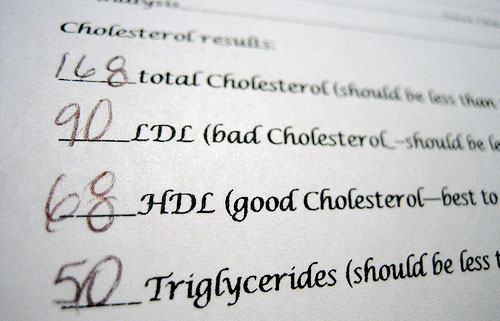
I think we can all agree that healthy cholesterol levels is very important for your health, fitness & longevity (heart & brain health, sexual performance, arteries, etc.).
Unfortunately, most of us don't have the time, money or devotion to make big lifestyle changes (diet, exercise, stress management, etc.) Plus, AGING is another major factor (not just lifestyle)...
Well, the good news is that now you can quickly achieve your "healthy cholesterol" goals with ONE simple solution that's easy, convenient & requires NO lifestyle changes...
- Ference BA, et al. Low-density lipoproteins cause atherosclerotic cardiovascular disease. 1. Evidence from genetic, epidemiologic, and clinical studies. A consensus statement from the European Atherosclerosis Society Consensus Panel. Eur Heart J. 2017. PubMed
- Cholesterol Treatment Trialists’ (CTT) Collaboration. Efficacy and safety of more intensive lowering of LDL cholesterol: a meta-analysis of data from 170,000 participants in 26 randomised trials. Lancet. 2010. PubMed
- Solomon A, et al. Midlife serum cholesterol and increased risk of Alzheimer’s and vascular dementia three decades later. Dement Geriatr Cogn Disord. 2009. PubMed
- Criqui MH, Aboyans V. Epidemiology of peripheral artery disease. Circ Res. 2015. PubMed
- Miner M, Billups KL. Erectile dysfunction and dyslipidemia: relevance and role of phosphodiesterase type-5 inhibitors and statins. J Sex Med. 2008. PubMed
- Grundy SM, et al. 2018 AHA/ACC/AACVPR/AAPA/ABC/ACPM/ADA/AGS/APhA/ASPC/NLA/PCNA Guideline on the Management of Blood Cholesterol. Circulation. 2019. PubMed