It’s now 2026 and almost everyone knows somebody who has had cancer and maybe even died from it.
The unfortunate part is that there are so many types of cancers to be concerned about.
However, today I’m going to reveal the top 7 cancers and the best cancer-fighting foods to eat for that specific cancer.
I’ll then finish by summarizing the best 7 foods that will help fight all these top cancer killers.
So, you can focus on the cancer you’re concerned about or have a family history for. Or, just eat the top 7 foods that fight them all.
I’m going to start with the least deadly cancer and end with the #1 deadliest cancer.
Prostate Cancer
This only affects men, usually past the age of 50 and is a major cancer risk in men.
Hormones play a big role here. More specifically, low testosterone, but high DHT and Estrogen.
The positives with prostate cancer are:
- Early Detection and Screening: Prostate cancer is frequently detected early through PSA (prostate-specific antigen) screenings. Early detection generally leads to effective treatment options.
- Slow Progression: Many types of prostate cancer grow slowly, so it’s not as aggressive as other cancers.
- High Survival Rates: Prostate cancer generally has a high 5-year survival rate (around 98% for localized cases) because it’s often confined to the prostate. Treatment options such as surgery, radiation, and hormone therapy are also quite effective in most cases.
- Age Factor: While it’s common in older men, prostate cancer often progresses so slowly that men may live with the disease without it becoming life-threatening, particularly when diagnosed at a late age.
… this is what’s happened with 2 of my uncles. They’ve had prostate cancer for years and they are doing well.
Foods For Prostate Cancer
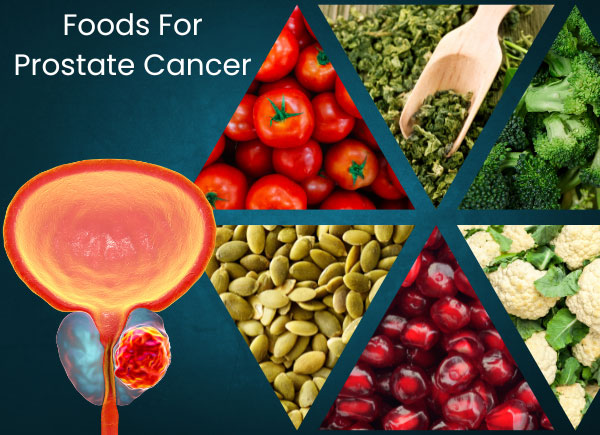
- Tomatoes: High in lycopene, an antioxidant linked to a lower risk of prostate cancer; cooking tomatoes in olive oil increases lycopene absorption.
- Green Tea: Contains EGCG, which may inhibit prostate cancer cell growth and prevent tumor blood vessel formation.
- Pumpkin Seeds: Rich in zinc, which supports prostate health, and phytosterols, which may help reduce prostate enlargement.
- Pomegranate: Contains antioxidants like ellagic acid, which may slow the growth of prostate cancer cells.
- Cruciferous Vegetables (e.g., broccoli, cauliflower): Contain sulforaphane, which helps inhibit cancer cell growth in the prostate.
Pancreatic Cancer
This is the cancer Steve Jobs died from.
Your pancreas secretes the hormone insulin, which helps lower blood sugar.
The problem with pancreatic cancer is it has a poor prognosis and is often diagnosed in the late stages when it’s harder to fight.
Foods For Pancreatic Cancer

- Cruciferous Vegetables (e.g., broccoli, cauliflower, Brussels sprouts) Contains sulforaphane and other compounds that may reduce inflammation and help neutralize cancer-causing agents. These vegetables support liver detoxification, which is crucial in reducing the load of carcinogens on the pancreas.
- Leafy Greens (e.g., spinach, kale, Swiss chard) Rich in chlorophyll, fiber, and antioxidants like beta-carotene, which may protect cells from DNA damage and reduce oxidative stress associated with pancreatic cancer risk.
- Berries (e.g., blueberries, raspberries, strawberries) High in antioxidants, particularly anthocyanins, which can reduce oxidative stress and inflammation in the pancreas. These compounds have been linked to a reduced risk of several cancers, including pancreatic cancer.
- Turmeric Contains curcumin, an anti-inflammatory compound that may help slow cancer cell growth. Research suggests curcumin can inhibit cancer-promoting enzymes in the pancreas, reducing the chance of cancer progression.
- Garlic It contains sulfur compounds that support detoxification and boost immune response. Garlic may lower inflammation and has been associated with a reduced risk of digestive cancers, including pancreatic cancer.
- Fatty Fish (e.g., salmon, sardines, mackerel) Rich in omega-3 fatty acids, which have anti-inflammatory properties that may help protect against pancreatic cancer. Omega-3s can reduce inflammatory markers and support cellular health in the pancreas.
- Tomatoes It contains lycopene, an antioxidant shown to reduce cancer cell proliferation. Lycopene in tomatoes may reduce inflammation in pancreatic tissue and protect cells from free radical damage.
- Fiber (e.g., whole grains, legumes & vegetables) High in fiber foods such as whole grains, legumes and vegetables help regulate blood sugar levels, reducing strain on the pancreas. Fiber also promotes digestive health and may lower the risk of pancreatic cancer by supporting a balanced microbiome.
An important part of pancreatic cancer is managing your blood sugar levels.
Breast Cancer
Breast cancer is the most common cause of cancer death in women globally.
By the way, men can also get breast cancer.
Breast cancer can be aggressive, which is the bad part.
One benefit is that we have more early detection for breast cancer than other forms of cancer, which is great news. There’s more awareness for breast cancer prevention.
Remember, the earlier you catch cancer, the better the odds you’ll fight it and win.
Risk factors: Genetics, hormone exposure, and lifestyle
Foods For Breast Cancer
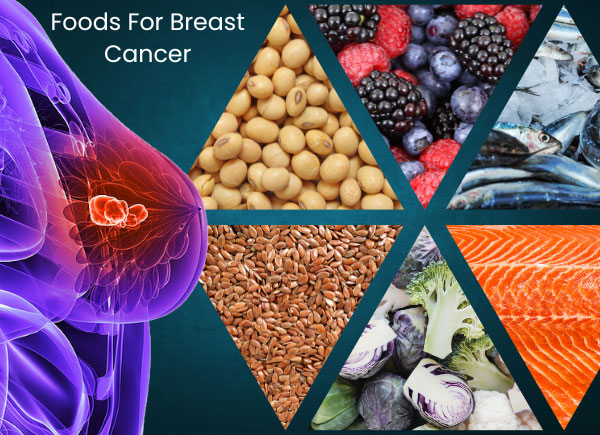
- Soy Foods (tofu, tempeh, edamame): Contain isoflavones, which have a mild estrogen-like effect and may help reduce the risk of hormone-related breast cancers.
- Flaxseeds: High in lignans, which can help modulate estrogen levels and have shown protective effects against breast cancer.
- Berries (blueberries, blackberries): Contain antioxidants and fiber, which protect cells and may reduce the spread of cancer cells.
- Cruciferous Vegetables (broccoli, Brussels sprouts): Packed with compounds like indole-3-carbinol, which supports healthy estrogen metabolism.
- Fatty Fish (salmon, sardines): Rich in omega-3 fatty acids, which have anti-inflammatory effects and may reduce breast cancer risk.
Stomach (Gastric) Cancer
I was surprised about stomach cancer being so high, globally. However, based on the foods we eat these days, I can understand why. Another common worry is does microwaving food give you cancer?.
One problem with stomach cancer is that the symptoms for it, such as indigestion or stomach discomfort are often mild or mistaken for other digestive issues. So, there’s a delay in diagnosis.
Risk factors include H. pylori infection, smoking, and certain diets that are high in processed and smoked foods.
So, think twice about all of the blackened BBQ meats.
Foods For Stomach Cancer
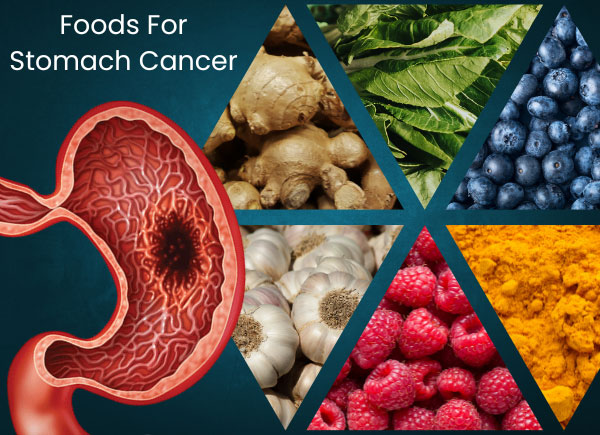
- Ginger: Known for its anti-inflammatory effects, ginger may help reduce stomach inflammation and protect against gastric cancer.
- Garlic: Contains sulfur compounds that help reduce the risk of stomach cancer by inhibiting the growth of H. pylori, a bacteria linked to stomach cancer.
- Green Leafy Vegetables (e.g., spinach, Swiss chard): Rich in fiber, antioxidants, and folate, which are protective against stomach cancer.
- Berries: High in antioxidants that help combat free radicals and reduce cell damage in the stomach.
- Turmeric: Curcumin, the active compound, is known for its anti-inflammatory and antioxidant properties, which may inhibit cancer cell growth in the stomach.
Liver Cancer
Liver cancer is the 3rd leading cause of cancer death.
Your liver, along with your kidney, detoxifies and cleanses almost everything that you put in your body.
The more junk you put in – such as processed fatty foods, drugs, alcohol, etc. the more stress on the liver.
Liver cancer can be very deadly because it’s often diagnosed at advanced stages due to limited early symptoms.
Risk factors include hepatitis infections, oral medications, alcohol, and nonalcoholic fatty liver disease.
Foods For Liver Cancer
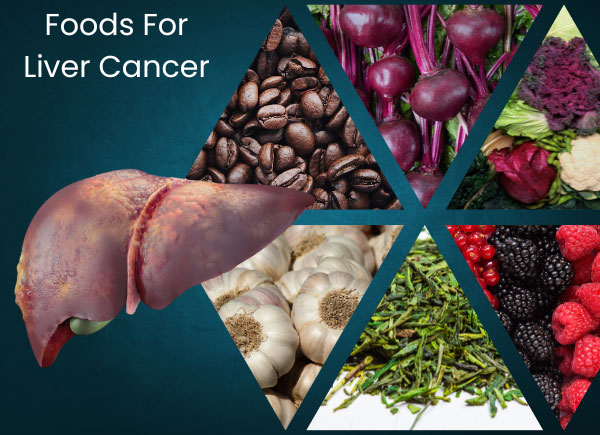
- Coffee: Studies suggest coffee may reduce the risk of liver cancer by reducing inflammation and supporting liver health.
- Green Tea: The antioxidants in green tea help reduce liver inflammation and protect against cellular damage.
- Beets: Rich in betalains and antioxidants that support liver detoxification and reduce oxidative stress.
- Cruciferous Vegetables (Brussels sprouts, cabbage): Contain compounds that support liver detoxification and protect against cancer cells.
- Berries (blueberries, strawberries): High in antioxidants, which reduce oxidative stress and inflammation, supporting liver health.
Colorectal Cancer
Colorectal cancer is the same as colon cancer, or rectal cancer, depending on where it originates in the digestive system
It’s the second leading cause of cancer deaths.
It’s deadly because it’s slow-growing and has no real symptoms in the early stages.
Diet, genetics and stress are risk factors.
However, the great news is that colon cancer can almost be completely preventable if you do colonoscopies often. Start early at the age of 40 or 45. Do them every 2-5 years, especially if you have a family history.
If caught early, it’s totally fixable.
Most people start late with colonoscopies or delay them due to the potential discomfort and don’t do them regularly enough. Every 10 years is not ideal, even if the medical industry says that’s the norm.
Demand them more often, even if you pay out of pocket.
Foods For Colorectal Cancer
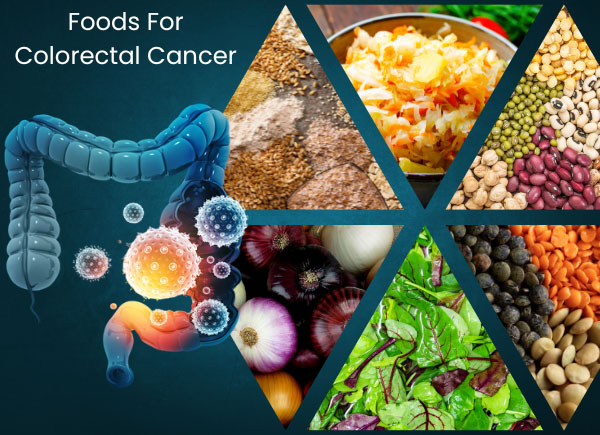
- Whole Grains (oats, brown rice, barley): High in fiber, which supports digestive health and may lower the risk of colorectal cancer.
- Garlic and Onions: Contain sulfur compounds that help eliminate carcinogens and reduce tumor formation.
- Leafy Greens (spinach, kale): Packed with fiber, folate, and carotenoids, which have protective effects against colorectal cancer.
- Probiotic-Rich Foods (yogurt, kefir, sauerkraut): Support a healthy gut microbiome, which is essential for immune function and can reduce inflammation.
- Legumes (beans, lentils): High in fiber and antioxidants, they promote healthy digestion and may lower the risk of colorectal cancer.
Lung Cancer
To my surprise, lung cancer is the leading cause of death globally. But, I guess I’m surprised because I never smoked anything.
One major problem with lung cancer is often detected in later stages, making treatment less effective
The primary risk factors are, of course, smoking… but also air pollution.
Foods For Lung Cancer
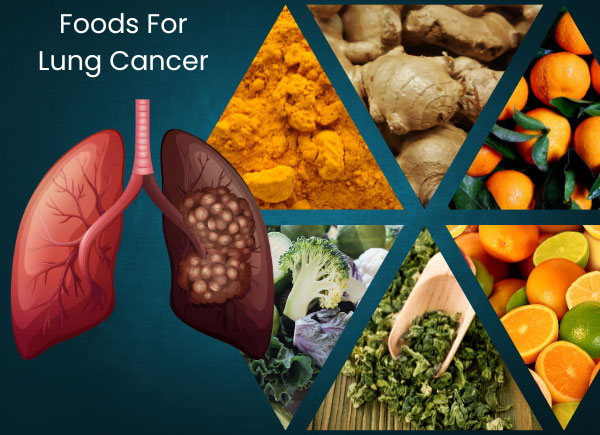
- Turmeric: Contains curcumin, which has anti-inflammatory and antioxidant properties that may help inhibit lung cancer cell growth.
- Cruciferous Vegetables (broccoli, cauliflower, cabbage): Rich in sulforaphane, which can help protect cells from DNA damage and reduce the spread of cancer cells.
- Green Tea: Contains EGCG, an antioxidant that may help block the growth of cancer cells and prevent tumor blood supply.
- Ginger: Known for its anti-inflammatory and antioxidant properties, ginger may help reduce inflammation that contributes to lung cancer risk.
- Oranges and Other Citrus Fruits: High in vitamin C and other antioxidants that protect cells from free radical damage linked to lung cancer.
7 Best Cancer-Fighting Foods – Summarized
Now, let’s finish with a summary of the 7 best foods cancer-fighting foods.
Cruciferous Vegetables (e.g., broccoli, cauliflower, Brussels sprouts, cabbage)
Cancers: Lung, Colorectal, Liver, Breast, Prostate
Why: Rich in sulforaphane and indole-3-carbinol, compounds that support detoxification, protect DNA, and reduce cancer cell growth.
Green Tea
Cancers: Lung, Liver, Stomach, Breast, Prostate
Why: Contains EGCG, an antioxidant that cuts off blood supply to tumors (anti-angiogenesis) and has been shown to inhibit cancer cell growth and reduce inflammation.
Berries (e.g., blueberries, strawberries, blackberries)
Cancers: Lung, Stomach, Liver, Breast
Why: High in antioxidants like vitamin C and ellagic acid, which protect cells from oxidative stress and inhibit cancer cell spread.
Garlic and Onions
Cancers: Colorectal, Stomach, Lung
Why: These alliums contain sulfur compounds that aid in detoxification, enhance immune function, and may reduce the risk of various cancers by inhibiting carcinogens.
Turmeric
Cancers: Lung, Stomach, Liver
Why: Curcumin, the active compound in turmeric, has strong anti-inflammatory and antioxidant effects that help slow cancer cell growth and induce cancer cell death (apoptosis).
Tomatoes
Cancers: Stomach, Prostate, Lung
Why: Rich in lycopene, which has been shown to reduce the risk of prostate and other cancers by protecting cells from damage and inhibiting tumor growth.
Leafy Green Vegetables (e.g., spinach, kale, Swiss chard)
Cancers: Colorectal, Stomach, Liver
Why: High in fiber, folate, and antioxidants that support cellular health, immune function, and detoxification, reducing cancer risk.
These foods make a great foundation for a cancer-preventive diet, as their broad-spectrum benefits help reduce inflammation, combat oxidative stress, lower blood sugar and support the body’s natural defenses against cancer.
Including these foods regularly is a proactive way to guard against multiple types of cancer.
Please share this important information with others so they can live a longer and healthier life.